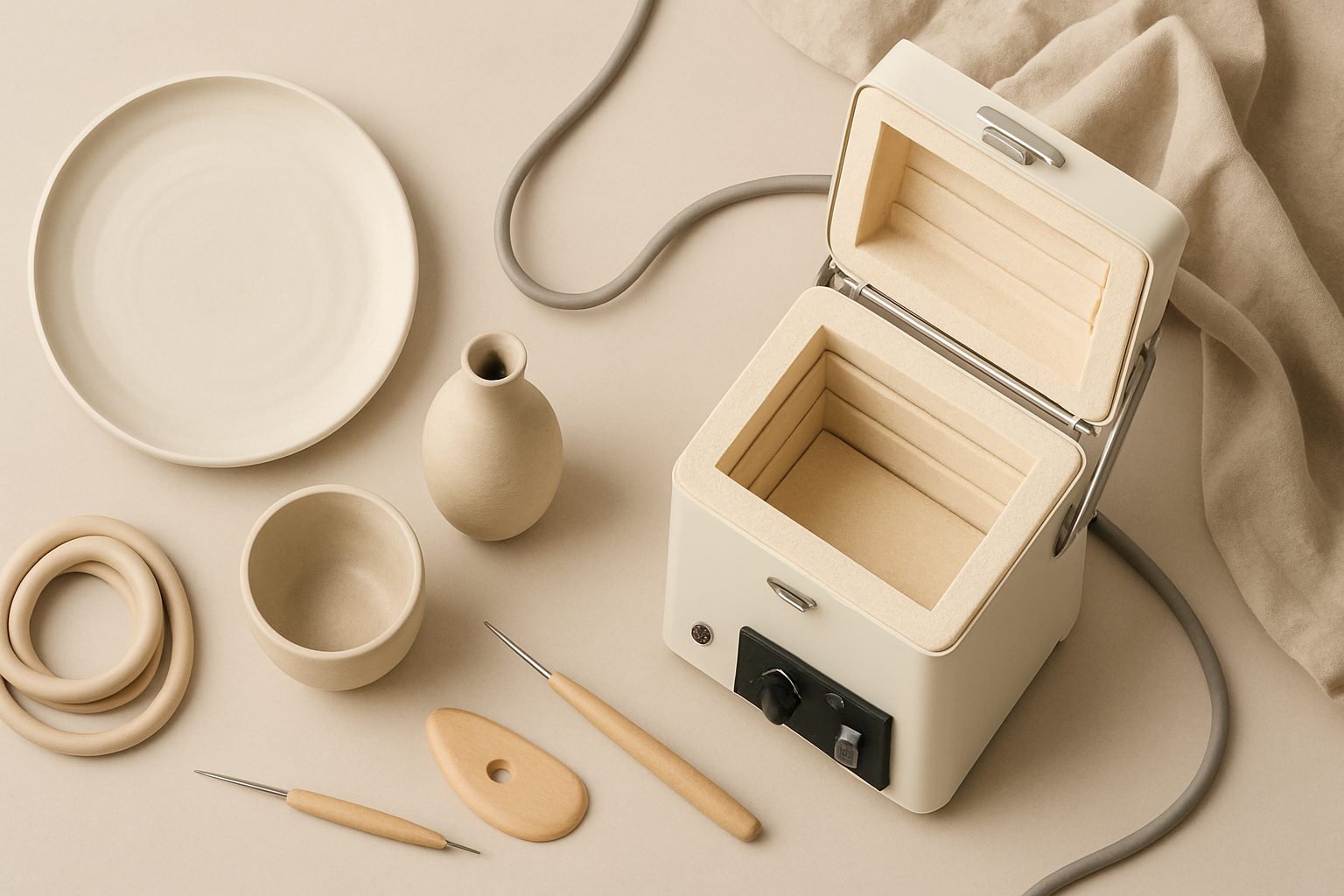
Pottery Kiln Maintenance Guide for Home Potters UK: Keep Your Kiln Firing Perfectly
A pottery kiln is one of your biggest investments as a home potter, and proper maintenance keeps it firing reliably for years. Neglected kilns develop temperature inconsistencies, fail to reach proper firing temperatures, and face expensive breakdowns. The good news: most maintenance tasks are straightforward, and many you can manage yourself. This guide covers the essential checks and repairs that UK home potters need to know.
Understanding Your Kiln's Key Components
Before diving into maintenance, familiarise yourself with the main wear items. Electric kilns rely on nichrome wire elements that gradually degrade with use. The thermocouple (or pyrometer) measures kiln temperature—if it's inaccurate, your pots won't fire properly. Shelves, kiln furniture, and brick linings all degrade from repeated heating cycles. These aren't flaws; they're expected consumables, and replacing them is normal kiln ownership.
Checking and Replacing Elements
Elements are your kiln's most critical maintenance item. A failing element creates cold spots where pots won't develop properly or fires unevenly altogether. Check elements every 50–80 firing cycles, or annually if you fire regularly.
Signs your elements need replacing: the kiln struggles to reach temperature, fires take significantly longer than normal, parts of the kiln fire hotter than others, or you notice visible damage like cracks or coils touching the kiln wall.
To inspect, fire the kiln slowly to a low temperature (around cone 1) and look through the peephole. Elements should glow evenly and bright red. Dark patches, breaks in the coil, or sagging indicate replacement is needed. Element replacement costs £40–150 per element depending on kiln size and type, plus a few hours of labour if you're doing it yourself. Many potters manage this DIY, but if you're uncomfortable working inside the kiln, a kiln technician costs £80–120 per hour plus elements.
Thermocouple Calibration
A faulty thermocouple is frustratingly common and easily missed. If your kiln fires erratically or your pots don't match previous firings, the thermocouple might be lying. A simple test: fire the kiln to a known temperature with pyrometric cones, then compare the cone result to your kiln's display reading. If they're significantly different (more than a cone or two off), calibration is needed.
UK kiln suppliers can recalibrate most thermocouples for £30–60, or you can replace one entirely for £50–120. Do this annually if you fire frequently.
Shelf and Kiln Furniture Care
Shelves accumulate glaze drips, cracks, and warping over time. A damaged shelf breaks mid-fire and destroys everything below it, so replace proactively.
Inspect shelves after each cooling. Light dust and small dry cracks are fine—that's normal. Visible cracks longer than an inch, any warping, or significant glaze damage mean replacement time. A full set of kiln shelves costs £80–300 depending on your kiln size and whether you buy standard fired shelves or premium kiln-wash-coated versions.
Before each firing, coat bare shelves with kiln wash. A thick, even layer prevents glaze drips from bonding permanently and extends shelf life significantly. A 2.5kg tub of kiln wash (£15–30) covers multiple shelves and lasts months with regular use.
Store shelves carefully between firings. Stacked shelves develop warping, and humidity can cause issues over time. Keep them dry and relatively flat.
Brick and Lining Repairs
The interior bricks of your kiln expand and contract thousands of times during its life. Small cracks in the lining are normal, but deep cracks or spalling (chunks breaking away) reduce insulation and cause uneven firing.
Minor surface cracks don't require immediate action, but monitor them. If cracks deepen significantly or brick chunks fall inside the kiln, you're looking at a reline—an expensive job (£300–800 professionally) that can wait until the damage is severe. Some UK potters manage small repairs themselves with high-temperature ceramic repair compounds (£20–50), though the results aren't permanent.
Most home potters reline their kiln every 10–15 years of regular use. It's not a routine task, but budget for it eventually.
Annual Maintenance Routine
Once a year—ideally before your heavy firing season—spend an afternoon on preventive care:
- Fire slowly to a low temperature and visually inspect elements for damage
- Wipe shelves clean of dust and glaze debris
- Check thermocouples against cones during a test fire
- Look for cracks in the interior lining
- Ensure peepholes are clear and plugs fit properly
- Verify door seals are tight and that air doesn't leak around edges during firing
Professional Servicing Costs in the UK
If DIY maintenance isn't your style, kiln technicians throughout the UK offer annual servicing. Expect to pay £150–300 for a full inspection, thermocouple test, and minor repairs. Emergency repairs for failed elements or thermocouple replacement run £200–500 depending on urgency and your location.
Building a relationship with a local kiln technician (many potters' groups can recommend one) makes repairs simpler when they're needed.
Keeping Good Records
Track your firing cycles, any repairs completed, and element replacement dates. This simple log prevents you from forgetting when maintenance is due and gives you data if something goes wrong. Note the cone you fired to, any kiln oddities, and any parts you've replaced. Over time, you'll develop a feel for your specific kiln's personality and anticipate maintenance needs before problems arise.
Regular maintenance isn't glamorous, but it's the difference between a kiln that reliably fires beautiful work and one that develops temperamental hot spots and unexpected failures. Small, consistent care saves money and stress in the long run.
More options
- Electric Pottery Kilns (Top-Loaders & Front-Loaders) (Amazon UK)
- Tabletop & Small Ceramic Kilns (Amazon UK)
- Kiln Furniture & Shelves (Amazon UK)
- Pyrometric Cones & Kiln Temperature Accessories (Amazon UK)
- Kiln Vent & Ventilation Systems (Amazon UK)